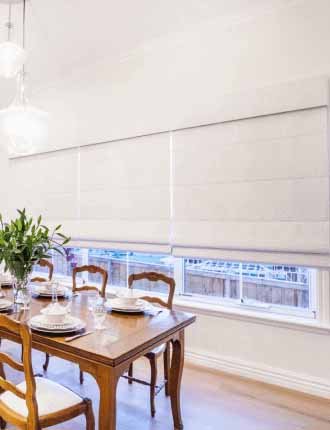
In 2026, the Australian “Passive House” movement has moved from niche architectural circles into the mainstream DIY market. With rising energy costs and more extreme summers, homeowners are no longer just looking for window coverings; they are looking for thermal performance.
If you are a DIYer, you can apply Passive House principles to your home without a full rebuild. Here is how to use Blinds on Demand products to turn your windows into energy-saving assets.
1. What is the “Passive House” Approach?
In a certified Passive House, the goal is to maintain a consistent indoor temperature (around 20–25°C) with minimal heating or cooling.
-
The “Fabric First” Rule: Passive design prioritizes the “envelope” of the house.
-
The Window Weakness: In a standard Australian home, windows can be responsible for up to 40% of heat loss in winter and 87% of heat gain in summer.
2. The Power of R-Value in Blinds
In 2026, savvy DIYers are looking at the R-value (thermal resistance). While a standard single-pane window has a dismal R-value of about 0.15 to 0.2, the right blind can triple that performance.
-
Honeycomb (Cellular) Shades: These are the undisputed champions of the Passive House DIYer. The unique “cells” trap air, which is a poor conductor of heat.
-
Thermal Performance: Tightly fitted blockout honeycomb blinds can reduce heat loss through windows by up to 40% and solar heat gain by up to 60%.
3. The “Sealed Envelope” Strategy
For a blind to act as an insulator, it must prevent air from moving between the window and the room. This is why “standard” retail blinds often fail—they leave too many gaps.
-
The Side Channel Advantage: To truly mimic Passive House standards, we recommend our Full Cassette or Side-Track systems. By sealing the edges of the blind in an aluminium track, you eliminate the “chimney effect” where air tumbles behind the blind.
-
Precision Fit: This is where Blinds on Demand made-to-measure shines. A 5mm gap might not look like much, but it’s a “thermal bridge” that allows heat to bypass your insulation.
4. Orientation-Based DIY Ordering
Passive design teaches us that not every window should be treated the same.
-
West-Facing Windows: These are your “Heat Monsters.” In Australia, these need heavy-duty blockouts or honeycomb shades to reflect harsh afternoon sun.
-
North-Facing Windows: These are your assets. You want high-quality Zebra or Sunscreen blinds here to allow light in while controlling UV, or automated Alpha Motors to open the blinds in winter to “charge” your home with free solar heat.
5. Automation: The Passive House “Brain”
A true Passive House is smart. In 2026, automation is the most affordable way to manage your home’s climate.
-
Solar Tracking: Using our Alpha Tubular Motors and the Neo Link Box, you can program your blinds to close automatically when the outside temperature hits 30°C.
-
Passive Management: You don’t have to be home to manage your insulation. Your blinds do it for you, ensuring that when you walk in the door at 5:00 PM, your house is naturally 5 degrees cooler.
| Blind Type | Thermal Performance | Est. Energy Saving | DIY Complexity |
| Standard Roller | ⭐⭐ | 10-15% | Very Easy |
| Double Roller | ⭐⭐⭐ | 20-25% | Easy |
| Honeycomb Shade | ⭐⭐⭐⭐ | 30-40% | Easy |
| Full Cassette/Tracked | ⭐⭐⭐⭐⭐ | Up to 50% | Moderate |
The Verdict: Don’t Just Cover Your Windows, Insulate Them.
If you are going to DIY, do it with the future in mind. By applying Passive House principles to your window furnishings, you aren’t just decorating—you’re investing in a home that pays you back every month in lower power bills.